
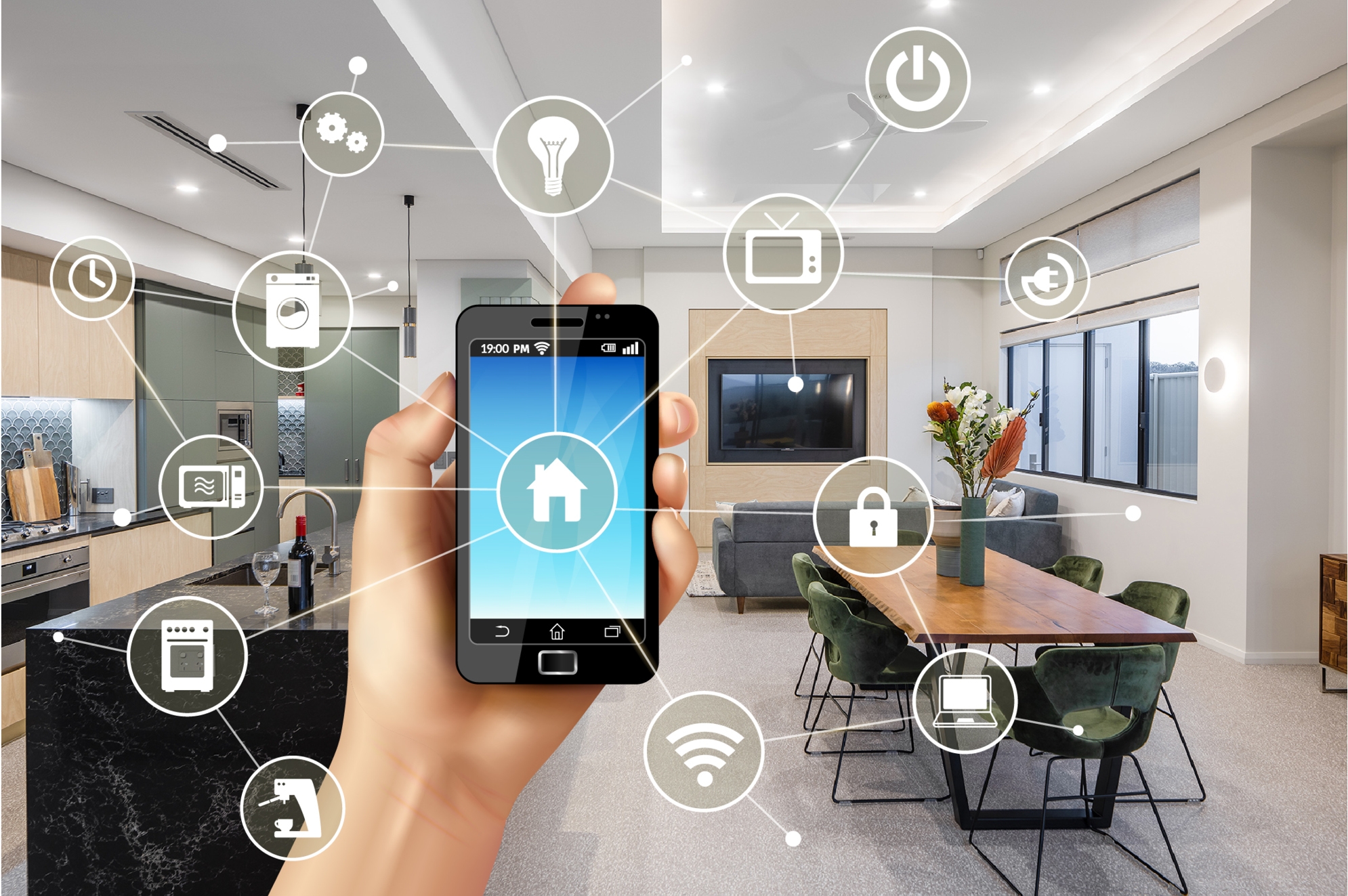
The performance, reliability, and interoperability of a smart home are fundamentally dependent on the underlying wireless connectivity standards that allow devices to communicate with each other and with the internet. A technology-focused analysis of the Smart Home Market reveals a complex and evolving landscape of competing connectivity protocols, each with its own set of strengths and weaknesses. The most ubiquitous standard is Wi-Fi. Its primary advantage is its high bandwidth, making it ideal for devices that need to stream large amounts of data, such as security cameras and smart displays. It is also present in almost every home, meaning devices can connect directly to the existing home router without the need for a separate hub. However, Wi-Fi also has drawbacks for smart home use; it is relatively power-hungry, which is a problem for battery-powered devices, and having dozens of smart devices all competing for bandwidth on the same network can lead to congestion and unreliability. Bluetooth, another common standard, is excellent for short-range, low-power communication (e.g., between a smartphone and a smart lock), but its limited range and inability to form a large mesh network have historically constrained its use as a primary whole-home protocol.
To address the limitations of Wi-Fi and Bluetooth for smart home applications, two low-power, wireless mesh networking protocols have been major players in the market for years: Zigbee and Z-Wave. In a mesh network, each device can communicate with its neighbors, relaying signals across the network. This creates a highly reliable and self-healing network that can cover a large home without a single point of failure. The primary advantage of Zigbee and Z-Wave is their extremely low power consumption, allowing small, battery-powered sensors (like door/window sensors or motion detectors) to operate for years on a single coin-cell battery. However, the historical challenge with these protocols has been their fragmentation. Zigbee and Z-Wave devices cannot communicate directly with each other, and both require a dedicated hub or bridge to connect them to the home's Wi-Fi network and the internet. This added cost and complexity of requiring a hub, and the confusion over which devices work with which protocol, have been a significant source of frustration for consumers and a barrier to mass adoption. The market has been a patchwork of these competing, incompatible standards for over a decade.
This long-standing problem of fragmentation is now being directly addressed by a new, game-changing connectivity standard called Matter. Backed by an unprecedented industry alliance of all the major technology companies—including Apple, Google, Amazon, Samsung, and the companies behind Zigbee—Matter is designed to be a unifying application layer that runs on top of existing network technologies like Wi-Fi, Thread (a low-power mesh protocol similar to Zigbee), and Ethernet. The promise of Matter is simple but profound: any Matter-certified device will be able to work seamlessly with any other Matter-certified device, regardless of the manufacturer. This will eliminate the consumer confusion around compatibility and allow users to mix and match devices from different brands with confidence. For device manufacturers, it will dramatically simplify development, as they will only need to build to one standard instead of supporting multiple different ecosystems. The Smart Home Market size is projected to grow USD 387.22 Billion by 2035, exhibiting a CAGR of 10.69% during the forecast period 2025-2035. The widespread industry backing and rollout of Matter is expected to be a major catalyst for the smart home market, accelerating mainstream adoption by finally delivering on the promise of a simple, reliable, and interoperable connected home.
Top Trending Reports -


 English
 Arabic
 French
 Spanish
 Portuguese
 Deutsch
 Dutch
Dutch
 Italiano
 Russian
 Romaian
 Portuguese (Brazil)
 Greek
Greek