
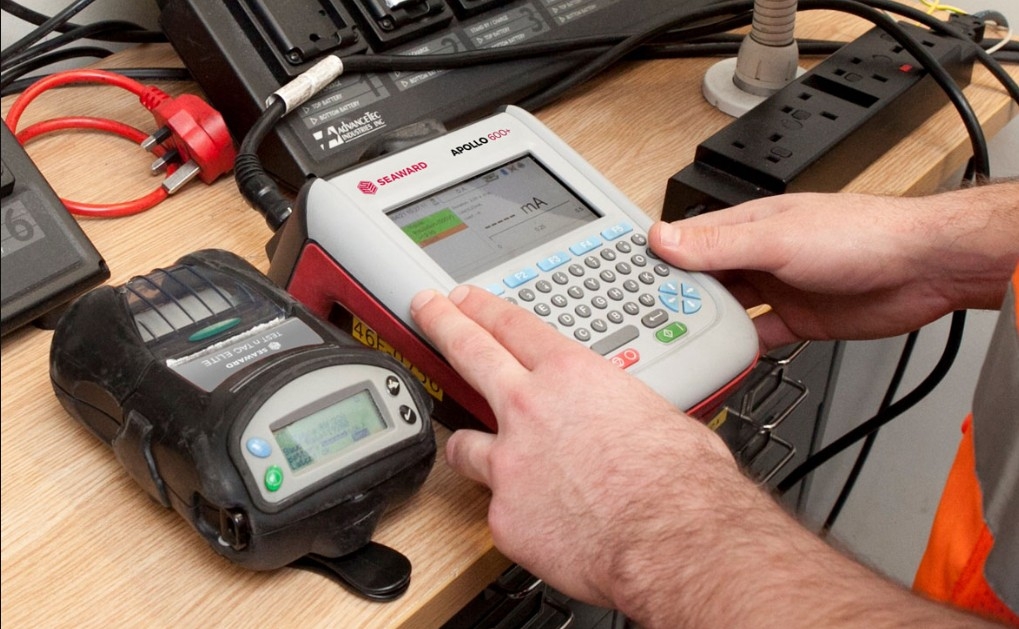
The transition from the 4th to the 5th Edition of the IET Code of Practice for In-service Inspection and Testing of Electrical Equipment represents a fundamental paradigm shift in how we approach electrical safety in the workplace. For years, the industry was governed by rigid, prescriptive testing intervals that often encouraged a "test everything, every year" approach, regardless of the actual condition or risk profile of the equipment. The 5th Edition abandons this outdated, blanket methodology in favor of a sophisticated, risk-based assessment strategy that empowers technicians to use their professional judgment. This evolution isn't merely a set of minor tweaks; it is a complete restructuring of the philosophy behind equipment maintenance. Consequently, technicians who rely on obsolete training models are finding themselves out of step with current regulatory expectations, making it absolutely essential to pursue updated, accredited education to ensure their practices remain compliant, efficient, and legally defensible in a modern electrical safety environment.
The Shift Toward In-service Inspection and Testing
One of the most significant changes introduced by the 5th Edition is the shift in terminology from the traditional "Portable Appliance Testing" (PAT) to "In-service Inspection and Testing." This semantic adjustment highlights a crucial change in focus: the recognition that electrical equipment safety is an ongoing process of maintenance rather than a sporadic, disconnected test event. The new guidance emphasizes that visual inspections are the most critical component of the process, as the majority of electrical faults are mechanical or environmental in nature and are readily identifiable without ever plugging the device into a tester. Professionals who have not updated their knowledge may still be obsessing over electrical test results while neglecting the more holistic, observation-based assessments that the 5th Edition now highlights as the primary indicator of safety. Updating your technical foundation through a modern pat testing course is the only way to align your workflow with this observation-first methodology, ensuring you focus on the variables that genuinely affect equipment integrity.
Empowering the Technician through Professional Competence
The 5th Edition places an unprecedented level of reliance on the competence and professional judgment of the individual carrying out the inspection. Rather than providing a "one-size-fits-all" rulebook, the new Code of Practice expects technicians to understand the specific risks associated with different environments and equipment types, allowing them to determine appropriate inspection frequencies based on actual usage patterns. This requires a level of critical thinking that was not previously demanded in entry-level certification programs. If a technician is still operating under the assumption that they simply need to follow a static list of frequencies provided by a previous employer or an outdated training manual, they are failing to exercise the professional discretion now required by the IET. Developing this level of competence requires moving beyond basic button-pressing and into an advanced understanding of electrical risks, a transition that is expertly facilitated by engaging in a current, industry-recognized pat testing course that covers these nuanced regulatory requirements.
Minimizing Excessive Testing to Prevent Equipment Degradation
A major driver behind the changes in the 5th Edition is the recognition that excessive electrical testing—specifically high-voltage insulation resistance testing—can actually cause damage to sensitive electronic components found in modern office and industrial equipment. The industry has finally acknowledged that frequent, unnecessary testing can degrade the very insulation that the technician is trying to verify, leading to premature equipment failure. The new guidance actively encourages technicians to minimize unnecessary testing and instead rely on enhanced visual inspections and, where appropriate, functional checks. This move toward non-destructive testing is a massive departure from traditional practices, and it requires a technician to have the confidence to justify why they are not performing certain tests. Technicians who fail to update their training may continue to use aggressive testing methods that are no longer recommended, potentially exposing themselves and their employers to liability for damaging client or company property during the inspection process.
Clarifying the Role of the Duty Holder
The 5th Edition provides much-needed clarity on the distinct roles of the "Duty Holder" and the "Competent Person," emphasizing that the responsibility for electrical safety lies with the employer or facility manager, while the technician acts as the expert advisor. This clarification is vital for modern safety management, as it prevents technicians from being pressured into performing inadequate work or carrying excessive risk. It also dictates how reports should be communicated to the Duty Holder, moving away from simple pass/fail stickers and toward meaningful risk assessment data. Understanding how to communicate these technical risks in a way that non-technical Duty Holders can understand is now a core competency for any successful technician. An updated pat testing course does not just teach you how to test; it teaches you how to manage the administrative and advisory responsibilities that the 5th Edition now places squarely on the shoulders of the inspection professional, ensuring you can operate confidently in this new regulatory landscape.
Securing Your Future with Professional Development
The electrical safety industry is dynamic, and the 5th Edition of the IET Code of Practice is proof that regulatory standards will continue to refine themselves to keep pace with new technologies and risk assessments. Relying on outdated practices is not just a compliance risk; it is a professional liability that can impact your ability to secure work, obtain insurance, and maintain a reputation for excellence. By committing to continuous professional development, you demonstrate to your clients and employers that you are not just a worker, but a serious professional dedicated to the highest standards of safety and regulatory compliance. The investment you make in your education today will pay dividends in your efficiency, your ability to handle complex risk scenarios, and your overall confidence in navigating the evolving world of electrical maintenance. Choosing a curriculum that mirrors the latest IET standards is the single most important step you can take to safeguard your career and ensure that every inspection you conduct meets the rigorous expectations of modern industry standards.

 English
 Arabic
 French
 Portuguese
 Deutsch
 Turkish
 Dutch
Dutch
 Italiano
 Russian
 Romaian
 Portuguese (Brazil)
 Greek
Greek