
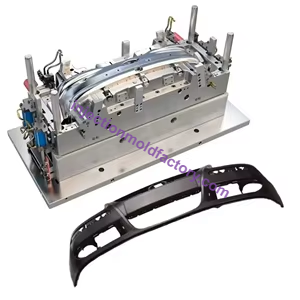
A vehicle's rear bumper faces sun, road grime, car washes, and parking bumps every day. Over time, the plastic surface loses its deep color. Small cracks appear near the edges. The once-smooth finish turns chalky. Many owners accept this aging as normal. However, proper cleaning and maintenance can keep a Car Rear Bumper looking fresh for years. This reality raises an important question: how to properly clean and maintain a car rear bumper to prevent fading and cracking? Injectionmoldfactory, from Taizhou Lingfei Mould & Plastic Technology Co., Ltd., offers practical answers rooted in materials knowledge.
The first rule involves choosing the right washing method. Automatic car washes with spinning brushes scratch bumper clear coats. Those scratches let UV light penetrate deeper, accelerating fading. Hand washing with a soft microfiber mitt removes dirt without abrasion. Use two buckets: one for soapy water, one for rinsing the mitt. This setup prevents grinding trapped grit against the paint. Rinse the bumper thoroughly before touching it with any cloth. Dried-on mud acts like sandpaper when rubbed.
Selecting proper cleaning chemicals matters as much as technique. Dish soap strips wax and protective oils from bumper surfaces. The plastic underneath then dries out, becoming brittle. A pH-neutral automotive shampoo cleans without damage. Dilute according to instructions; concentrated soap leaves residue that attracts dust. Avoid citrus-based degreasers near bumpers. These solvents soften certain thermoplastics, leading to stress cracks over time.
Drying prevents water spots and mineral deposits. Hard water leaves calcium rings that etch into clear coats. A clean, plush drying towel absorbs moisture without pressure. Pat the bumper surface rather than dragging the towel. For recessed areas around reflectors or sensors, use compressed air or a soft detailing brush. Trapped moisture in crevices promotes mold growth and clear coat lifting.
Waxing provides a sacrificial layer against UV radiation. Quality carnauba wax or synthetic sealants block harmful rays. Apply a thin, even coat to the entire Car Rear Bumper surface. Let it haze according to product directions, then buff with a clean microfiber cloth. Waxing every three months maintains protection. Parking outdoors in sunny climates may require monthly applications. The wax layer takes the UV damage instead of the plastic.
Paint protection film offers permanent defense against chips and sun. This clear urethane sheet adheres to the bumper's leading edge. It self-heals small scratches when heated by the sun. Installation requires a skilled technician to avoid bubbles and lifting. Once applied, the film lasts several years. Lingfei Molding produces bumpers with precisely engineered curves, making film application easier compared to poorly molded replicas.
Cracking prevention starts with impact avoidance. Parking too close to curbs or walls stresses bumper mounting points. A rearview camera or parking sensors reduce accidental contact. When a minor bump occurs, inspect the bumper immediately. A small crack left untreated spreads through vibration and temperature changes. Drill a tiny stop-hole at each crack end to prevent further travel, then fill with flexible bumper repair compound.
Chemical exposure accelerates cracking. Fuel spills, brake fluid, and windshield washer solvent damage plastic surfaces. Wipe any spills immediately with a damp cloth. Do not let solvents dwell on the bumper. Lingfei's injection molding process uses high-grade polymers that resist common chemicals. However, no plastic withstands prolonged contact with aggressive solvents. Gas station drips from the fuel nozzle require quick attention.
Deep cleaning twice per year removes embedded contaminants. Iron removers dissolve brake dust particles that embed in clear coats. Clay bars pull out industrial fallout and tree sap. After using these products, reapply wax because they strip existing protection. Test any new cleaner on a hidden bumper area first. Some products labeled “safe for plastic” still cause clouding on certain formulations.
Storage conditions affect bumper longevity. Parking under trees exposes plastic to bird droppings and sap. Both substances etch surfaces within hours. Covered parking or a car cover prevents this damage. In winter, road salt clings to bumpers. Wash salt off within a week to prevent surface crazing. Lingfei's factory in Huangyan District, the “Hometown of Moulds in China,” produces bumpers with UV-stabilized resins, yet salt accelerates weathering even on premium materials.
For faded bumpers, restoration products offer temporary improvement. Trim restorers with UV blockers darken grayed plastic for several weeks. Permanent fixes require repainting. A professional shop sands the old clear coat, applies adhesion promoter, then sprays new color and clear layers. This service costs significantly less than bumper replacement. Lingfei's precision molds produce bumpers that accept paint uniformly, unlike low-quality alternatives that show blotchiness after respraying.
Inspection completes any maintenance routine. Check bumper clips and mounting brackets seasonally. Loose fasteners allow vibration that cracks mounting tabs. Tighten or replace any damaged hardware. Examine the bumper underside for cracks from curb strikes. Early detection prevents a small hairline from becoming a split that requires replacement.
Understanding your bumper's material helps tailor care. Thermoplastic olefin, or TPO, resists low-impact damage but requires specific cleaners. Polyurethane flexes more but scratches easily. Lingfei Molding designs bumpers with recyclable materials that balance strength and weight. Ask your dealer or parts specialist which plastic your bumper uses. Then select maintenance products compatible with that specific resin family.
For owners seeking maximum protection, ceramic coatings provide hydrophobic, UV-resistant layers. Professional application costs more than wax but lasts several years. The coating bonds chemically to the clear coat, creating a hard shell. Water beads and rolls off, carrying dirt with it. Ceramic-coated bumpers require less frequent washing and resist bird dropping etching. Lingfei's smooth mold surfaces produce bumpers with minimal orange peel, allowing coatings to adhere evenly.
To see how proper mold design affects long-term bumper durability, visit https://www.injectionmoldfactory.com/product/automotive-parts-mould/rear-bumper-assembly-rear-bumper-auto-parts-mold.html and review the technical specifications. Then examine your own rear bumper for early signs of fading or cracking. A few minutes of regular care keeps that component looking factory-new for the entire vehicle's life.

 English
 Arabic
 French
 Spanish
 Portuguese
 Deutsch
 Turkish
 Italiano
 Russian
 Romaian
 Portuguese (Brazil)
 Greek
Greek