
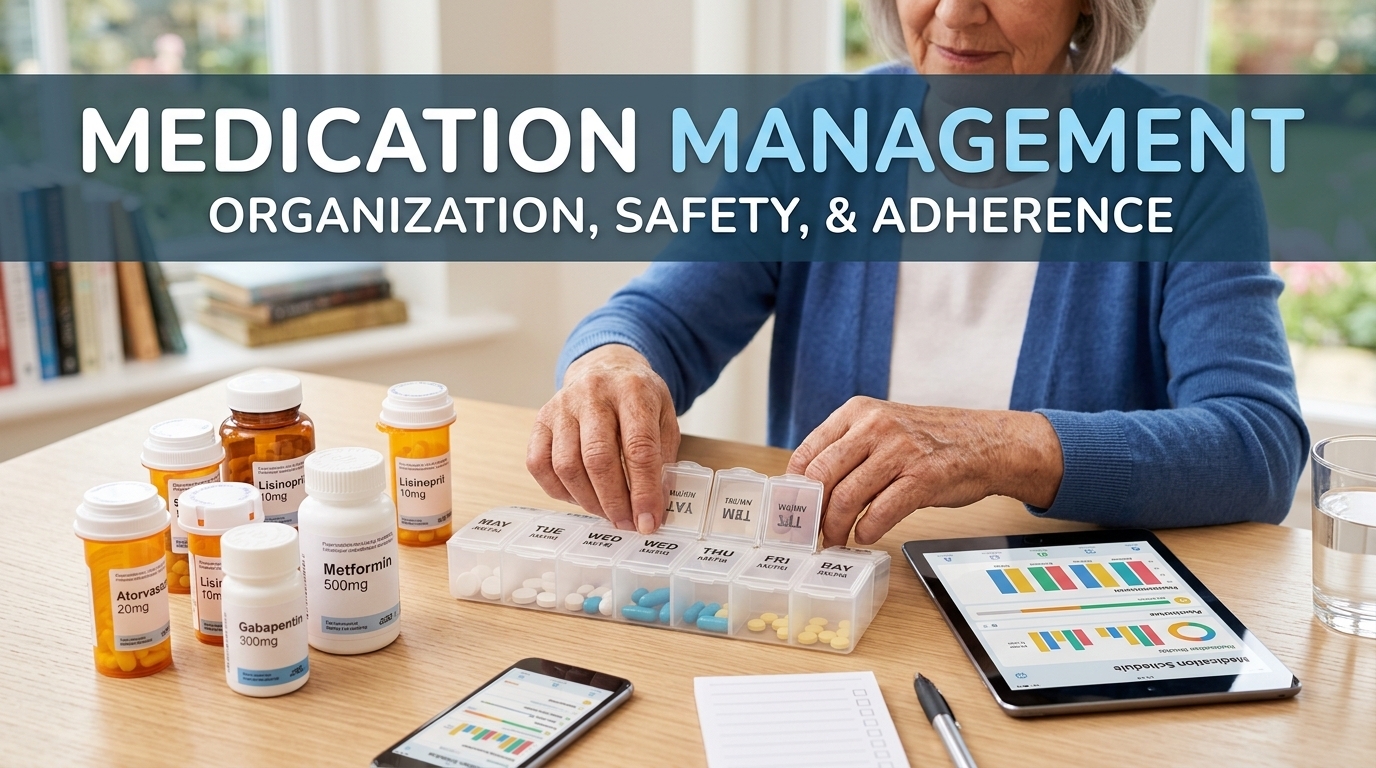
Medication Management is a core part of healthcare that ensures medicines are used correctly, safely, and consistently to achieve the best possible health outcomes. It involves organizing prescriptions, following instructions accurately, and maintaining awareness of how medications affect the body.
In modern healthcare, many individuals depend on medications for chronic diseases, short term illnesses, or preventive care. Without proper management, medication use can become inconsistent, confusing, or even harmful. Medication management helps bring clarity and structure to treatment routines, ensuring safer and more effective outcomes.
Understanding Medication Management
Medication management refers to the complete process of handling medications from the time they are prescribed until they are taken daily. It includes understanding instructions, following schedules, monitoring effects, and ensuring proper storage.
It also involves managing multiple prescriptions, preventing harmful interactions, and maintaining consistency in usage. For individuals dealing with long term health conditions, this process is especially important because it ensures continuous care and reduces the risk of complications.
Proper medication management ensures that every medicine works as intended and contributes positively to overall health.
Importance of Medication Management
Medication management is essential for safe and effective healthcare. When medicines are taken correctly, they deliver their full benefit and support recovery or long term condition control.
One major advantage is reducing medication errors. Mistakes such as missed doses, incorrect timing, or taking the wrong medication can negatively impact health. Proper management helps prevent these issues.
It also improves communication between patients and healthcare providers. When medication routines are followed properly, professionals can better understand progress and adjust treatment plans when necessary.
Another important benefit is improved quality of life. When symptoms are well controlled, individuals experience greater comfort, stability, and confidence in their daily activities.
Common Challenges in Medication Management
Many individuals struggle with managing medications effectively. Forgetfulness is a common issue, especially when daily routines are busy or unpredictable.
Complex treatment plans can also create confusion. Some individuals may need to take multiple medications with different instructions, making it difficult to stay organized without support.
Side effects may affect adherence. Some people may stop taking medication without medical advice when they experience discomfort, which can lead to worsening health conditions.
Another challenge is lack of understanding. When individuals are not fully aware of why a medication is prescribed, they may not take it consistently or correctly.
Busy lifestyles, work demands, and personal responsibilities can also make it difficult to maintain consistent medication habits.
Effective Strategies for Medication Management
Improving medication management requires building simple and consistent habits. Creating a structured daily routine helps individuals take medications at the same time each day, reducing the chances of missed doses.
Organization plays an important role. Keeping medications in a safe, designated place helps reduce confusion and ensures correct usage. Clear labeling further improves understanding and safety.
Reminders can also be very helpful. Simple alerts or visual cues help individuals stay consistent with their medication schedule, even during busy routines.
Understanding medications is equally important. Knowing why a medicine is prescribed, how it works, and what effects it may have encourages responsible use and better adherence.
Regular communication with healthcare providers ensures that any concerns or changes in health are addressed quickly, helping maintain safe and effective treatment.
Role of Family and Caregivers
Family members and caregivers play an important supportive role in medication management. Their involvement can greatly improve consistency and safety, especially for individuals who struggle with memory or complex treatment routines.
They may help organize medications, provide reminders, and observe changes in health conditions. This support helps reduce the risk of medication errors and ensures correct usage.
Caregiver support also provides emotional reassurance, helping individuals feel more confident and less stressed about managing their health.
Technology and Medication Management
Technology has significantly improved medication management by making it more convenient and reliable. Digital reminders and tracking tools help individuals stay consistent with their medication schedules.
Electronic health systems improve communication between healthcare providers and patients, reducing confusion and improving prescription accuracy.
Remote healthcare services also allow individuals to consult professionals easily. This ensures timely guidance, better monitoring, and more effective treatment adjustments.
These advancements have made medication management more accessible and easier to maintain in daily life.
Medication Safety Practices
Safety is a fundamental part of medication management. Medicines should always be taken exactly as prescribed without changing dosage or timing unless directed by a healthcare professional.
Proper storage is important because some medications require specific conditions to maintain effectiveness. Incorrect storage can reduce safety and reduce effectiveness.
Keeping medications organized helps avoid confusion and ensures correct usage. It is also important to regularly check medications and remove those that are no longer needed or are expired.
Avoiding mixing medications without professional guidance is essential because some combinations may lead to harmful reactions or reduced effectiveness.
Benefits of Proper Medication Management
When medication management is done correctly, it leads to improved health stability and better treatment outcomes. Symptoms are better controlled, and recovery or long term management becomes more effective.
It also increases independence, allowing individuals to manage their health confidently and with less stress. This improves overall well being and daily comfort.
Proper medication management can also reduce unnecessary healthcare visits by preventing complications caused by incorrect medication use.
In addition, it strengthens trust between patients and healthcare providers through consistent communication and better treatment results.
Frequently Asked Questions
What is medication management
Medication management is the structured process of using medicines safely and correctly to achieve effective treatment and reduce health risks.
Why is medication management important
It is important because it ensures medications work properly, reduces errors, and supports better long term health outcomes.
What challenges are common in medication management
Common challenges include forgetfulness, complex prescriptions, side effects, and lack of understanding about medications.
How can medication management be improved in daily life
It can be improved by building routines, staying organized, using reminders, understanding medications, and maintaining communication with healthcare providers.
Who can support medication management
Healthcare professionals, family members, and caregivers can all help individuals manage medications safely and effectively.
Conclusion
Medication management is an essential part of maintaining good health and ensuring safe and effective treatment. It requires awareness, consistency, and responsibility in daily medication use.
By building simple habits such as following routines, organizing medications properly, and maintaining regular communication with healthcare providers, individuals can significantly improve their health outcomes. Support from caregivers and modern technology further enhances this process.
Ultimately, effective medication management leads to safer treatment, better symptom control, and a higher quality of life for individuals managing both short term and long term health conditions.

 English
 Arabic
 French
 Spanish
 Portuguese
 Deutsch
 Turkish
 Dutch
Dutch
 Italiano
 Romaian
 Portuguese (Brazil)
 Greek
Greek