
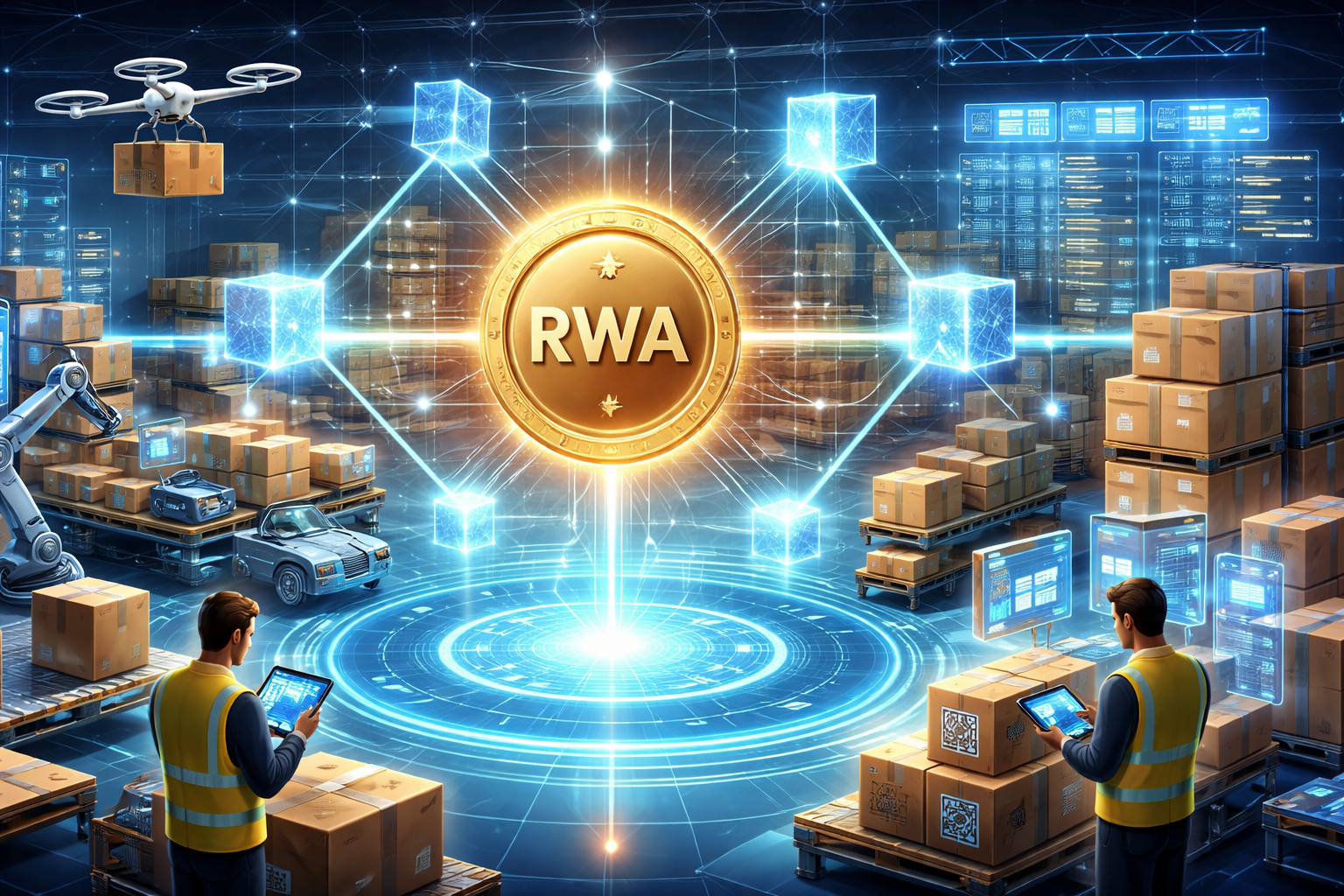
Gold and precious metals have always been considered foundational assets in global finance. They serve as hedges against inflation, stores of value during uncertainty, and diversification tools in institutional portfolios. However, the traditional structure of investing in gold and other precious metals has long been constrained by physical storage, high entry barriers, limited divisibility, and inefficient settlement systems.
The rise of digital tokens especially those backed by real-world assets tokenization is fundamentally changing how gold and precious metals are owned, traded, and managed. By converting physical commodities into blockchain-based tokens, the investment structure shifts from static, location-bound ownership to programmable, divisible, and globally transferable digital assets.
Understanding Digital Gold and Precious Metal Tokens
Digital gold and precious metal tokens represent ownership of a specific quantity of a physical asset, such as gold, silver, platinum, or palladium, stored in secure vaults. Each token is typically backed 1:1 (or fractionally backed with audit transparency) by the underlying metal.
For example, one digital gold token may represent one gram or one ounce of physical gold held in custody by a regulated institution. These tokens are recorded on a blockchain, enabling transparent ownership tracking, transferability, and settlement. Unlike traditional gold investment methods such as physical bullion, ETFs, or futures contracts, tokenized gold combines physical backing with digital flexibility.
This structure bridges two worlds:
- The physical commodity market (gold bars, vault storage, assaying)
- The digital financial system (blockchain, smart contracts, tokenization)
Why Gold Investment Needed Structural Change
Traditional gold investment systems are effective but inherently limited in terms of accessibility and efficiency.
1. Physical Storage Constraints
Owning physical gold requires secure vault storage, insurance, and transportation logistics. These costs increase as investment size grows and create friction for small investors.
2. High Entry Barriers
Gold bars and coins often require significant upfront capital. Even exchange-traded gold products like SPDR Gold Shares require brokerage accounts and market access, limiting participation in regions with underdeveloped financial infrastructure.
3. Limited Divisibility
While gold is technically divisible, practical trading typically occurs in standardized units, making micro-investing difficult in traditional systems.
4. Settlement Inefficiencies
Traditional gold markets rely on intermediaries, clearinghouses, and delayed settlement cycles. This slows down liquidity and increases counterparty risk. These limitations created the foundation for digital token-based alternatives.
How Tokenization Works in Precious Metals Markets
The process of tokenizing gold and precious metals involves several integrated layers:
Step 1: Physical Asset Custody
Gold is stored in audited, secure vaults managed by regulated custodians. Each unit of stored gold is tracked and verified.
Step 2: Token Issuance
A digital token is created to represent a defined quantity of the physical metal. This token is issued on a blockchain network.
Step 3: Blockchain Recording
Ownership and transfer of tokens are recorded on a distributed ledger, ensuring transparency and immutability.
Step 4: Redemption Mechanism
In most systems, token holders can redeem their digital tokens for physical gold, ensuring trust in the 1:1 backing model.
Step 5: Secondary Market Trading
Tokens can be freely traded on digital exchanges or peer-to-peer networks, enabling continuous liquidity. This structure transforms gold from a static commodity into a dynamic financial instrument.
Key Advantages of Tokenized Gold and Precious Metals
The introduction of digital tokens into precious metals markets creates several structural advantages.
1. Fractional Ownership and Accessibility
Tokenization allows investors to purchase extremely small fractions of gold, sometimes as little as 0.001 grams. This enables participation from retail investors who previously could not access physical bullion markets. It also democratizes exposure to precious metals across global markets without geographic or banking restrictions.
2. Improved Liquidity in Traditionally Illiquid Assets
While gold is considered liquid compared to many commodities, physical ownership still introduces friction. Tokenized gold can be traded instantly on digital platforms, increasing turnover and reducing settlement delays. This continuous trading environment enhances liquidity by enabling 24/7 global market participation.
3. Lower Transaction and Storage Costs
Digital tokens eliminate many costs associated with physical gold ownership, including:
- Vault storage fees
- Insurance premiums
- Transportation and handling costs
By reducing these overheads, tokenization improves net investment efficiency.
4. Transparent Ownership Tracking
Blockchain-based records provide a transparent ledger of ownership, reducing fraud risk and improving auditability. Investors can verify backing and circulation in real time.
5. Faster Settlement Cycles
Traditional gold transactions can take days to settle due to clearing and custody processes. Tokenized systems enable near-instant settlement through smart contracts, reducing counterparty exposure.
Role of Blockchain in Precious Metal Tokenization
Blockchain technology is the foundation that enables tokenized commodities to function effectively. Its core contributions include:
Immutability
Once recorded, ownership data cannot be altered, ensuring trust in asset records.
Programmability
Smart contracts automate issuance, redemption, and compliance processes.
Interoperability
Tokens can move across exchanges, wallets, and decentralized platforms without centralized bottlenecks.
Transparency
All transactions are traceable, reducing opacity in commodity markets. These features collectively transform gold from a physically constrained asset into a digitally programmable financial instrument.
Impact on Traditional Gold Investment Instruments
Tokenization is gradually reshaping how traditional gold instruments operate.
Gold ETFs and Digital Competition
Products like SPDR Gold Shares have long provided investors exposure to gold without physical ownership. However, tokenized gold introduces additional advantages such as real-time settlement and fractional blockchain-based ownership, creating competitive pressure on traditional ETFs.
Futures Markets
Gold futures contracts rely on speculative pricing and margin requirements. Tokenized gold offers a more direct ownership model, reducing reliance on derivative-based exposure.
Physical Bullion Dealers
Retail bullion markets are also affected, as tokenized systems reduce the need for physical handling and storage infrastructure.
Institutional Adoption of Tokenized Precious Metals
Financial institutions are increasingly exploring tokenized gold as part of broader digital asset strategies. Banks, asset managers, and fintech platforms are integrating tokenized commodities into:
- Digital wealth management platforms
- Cross-border settlement systems
- Collateralized lending structures
Some institutions are also using tokenized gold as a stable collateral asset due to its historical value stability and global acceptance. This institutional shift indicates that tokenization is not limited to retail innovation but is becoming part of broader financial infrastructure modernization.
Use Cases Emerging from Tokenized Precious Metals
1. Digital Wealth Portfolios
Investors can hold diversified portfolios including tokenized gold, silver, and other commodities alongside digital assets.
2. Cross-Border Payments and Settlement
Tokenized gold is increasingly being explored as a settlement asset in international trade, reducing reliance on fiat currency fluctuations.
3. Collateral in DeFi Systems
In decentralized finance systems, tokenized gold is being used as collateral for lending and borrowing, adding stability to crypto-based financial systems.
4. Inflation Hedge Instruments
Digital gold tokens provide a programmable hedge against inflation, similar to traditional gold but with greater liquidity and accessibility.
Challenges in Tokenized Precious Metals Markets
Despite strong adoption potential, several challenges remain:
1. Regulatory Uncertainty
Different jurisdictions classify tokenized commodities differently, creating compliance complexity.
2. Trust in Custodial Systems
Tokenized gold depends on physical custody. Investors must trust that reserves are fully backed and auditable.
3. Market Fragmentation
Multiple tokenization platforms may lead to fragmented liquidity pools.
4. Technological Risk
Blockchain infrastructure introduces risks such as smart contract vulnerabilities and network dependencies.
These challenges must be addressed for full-scale global adoption.
Future Outlook: The Evolution of Digital Commodity Markets
The future of gold and precious metals investment is moving toward hybrid financial systems where physical assets and digital tokens coexist seamlessly.
Key expected developments include:
- Integration of tokenized gold into global banking systems
- Expansion of real-time commodity settlement networks
- Increased regulatory clarity for digital commodities
- Growth of multi-asset tokenized investment portfolios
Over time, tokenized precious metals may become standard infrastructure in global capital markets, particularly as financial systems continue shifting toward digital settlement layers.
Conclusion
Digital tokenization is fundamentally transforming gold and precious metals from static, physically constrained assets into dynamic, programmable financial instruments. By enabling fractional ownership, real-time settlement, transparent custody, and global accessibility, tokenized gold reshapes the investment structure at both retail and institutional levels.
While traditional systems like bullion markets and ETFs such as SPDR Gold Shares still play a significant role, the emergence of blockchain-based commodity ownership introduces a parallel system that is more efficient, divisible, and liquid. As adoption expands, tokenized precious metals are likely to become a core component of modern investment portfolios, bridging the gap between tangible value and digital financial infrastructure.

 English
 Arabic
 French
 Spanish
 Portuguese
 Deutsch
 Turkish
 Italiano
 Russian
 Romaian
 Portuguese (Brazil)
 Greek
Greek