
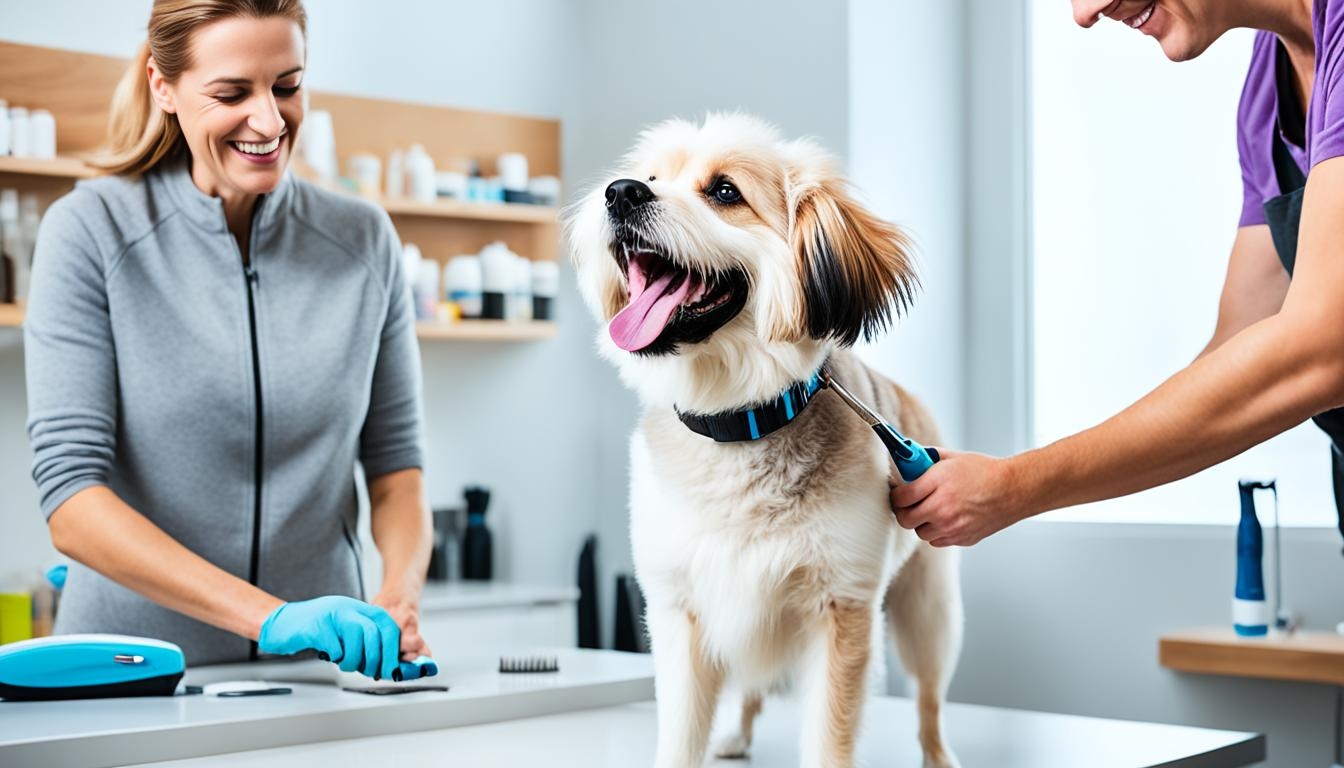
Bringing a puppy home is a joyful experience, but it also comes with responsibility. One of the most important parts of caring for a young dog is grooming. Gentle puppy grooming is not just about keeping your puppy clean; it is also about building trust, ensuring comfort, and supporting healthy growth. When done correctly, grooming becomes a bonding activity that helps your puppy feel safe and loved.
This guide explains simple, safe, and effective grooming practices that help keep your puppy happy and healthy.
Understanding the Importance of Gentle Grooming
Puppies have delicate skin and soft coats that require extra care. Gentle Puppy Grooming avoids harsh techniques or improper tools that can cause discomfort, irritation, or even injury. With Gentle Puppy Grooming, you can build trust between you and your puppy while ensuring their safety and comfort.
Gentle grooming helps prevent skin irritation, keeps the coat healthy, and allows you to check for any early signs of health issues. More importantly, it builds trust between you and your puppy. When grooming is done calmly and kindly, your puppy learns that being handled is safe.
Creating a Calm Grooming Environment
Before you begin grooming, choose a quiet and comfortable space. Avoid loud noises, distractions, or crowded areas. A peaceful environment helps your puppy stay relaxed.
Keep all grooming tools ready before starting. This includes a soft brush, puppy shampoo, towel, nail clippers, and a comb. Having everything prepared makes the process smooth and stress-free.
Speak to your puppy in a gentle tone throughout the grooming session. Positive energy helps reduce fear and anxiety.
Brushing Your Puppy’s Coat
Brushing is one of the most important grooming steps. It removes dirt, loose hair, and prevents tangles. It also improves blood circulation and keeps the coat shiny.
Use a soft-bristle brush designed specifically for puppies. Begin slowly and brush in the direction of hair growth. Avoid pulling or pressing too hard.
If your puppy becomes restless, take a short break. Gradually increase brushing time as your puppy becomes more comfortable.
Regular brushing also helps you notice any skin problems such as rashes, dryness, or parasites early.
Bathing Your Puppy Safely
Bathing keeps your puppy clean, but it should be done carefully and not too frequently. Over-bathing can remove natural oils from the skin and cause dryness.
Gently wet your puppy’s coat and apply shampoo carefully. As recommended by Park hills animal hospital, avoid getting water or soap into their eyes, ears, or nose. Rinse thoroughly to remove all shampoo, as leftover residue can cause irritation.
After bathing, gently dry your puppy with a soft towel. If needed, use a hair dryer on a low and cool setting while keeping it at a safe distance.
Nail Care for Puppies
Trimming your puppy’s nails is important for comfort and movement. Long nails can cause pain or affect walking.
Use small, pet-safe nail clippers. Trim only the tip of each nail and avoid cutting too close to the sensitive area inside the nail.
If you are unsure, ask a veterinarian or professional groomer for guidance. Always reward your puppy after nail trimming to create a positive experience.
Cleaning Puppy Ears
Puppy ears should be checked regularly for dirt or wax buildup. Use a soft cloth or cotton pad to gently clean the outer ear.
Never insert anything deep into the ear canal, as this can cause injury. If you notice redness, bad smell, or discharge, consult a veterinarian.
Regular ear cleaning helps prevent infections and keeps your puppy comfortable.
Dental Care for Healthy Teeth
Dental care is often overlooked but is very important for puppies. Start brushing your puppy’s teeth early to develop good habits.
Use a toothbrush and toothpaste made specifically for dogs. Gently brush in circular motions and be patient as your puppy gets used to the process.
Regular dental care helps prevent bad breath, gum disease, and tooth decay in the future.
Handling Your Puppy with Care
Gentle handling is key to successful grooming. Always move slowly and avoid sudden actions that may scare your puppy.
If your puppy becomes nervous, stop for a moment and allow them to relax. Never force grooming, as this can create fear and resistance.
Use treats and praise to encourage good behavior during grooming sessions. Positive reinforcement makes the experience enjoyable for your puppy.
Building a Grooming Routine
Consistency is important in puppy grooming. Establish a regular routine based on your puppy’s needs.
Some puppies may need daily brushing, while others may only need it a few times a week. Baths, nail trimming, and ear cleaning should also follow a consistent schedule.
A routine helps your puppy become familiar with grooming and reduces stress over time.
Common Mistakes to Avoid
Many new pet owners make simple mistakes during grooming. Avoid using human shampoo, as it can irritate a puppy’s skin. Do not cut nails too short, and avoid bathing too frequently.
Do not rush the grooming process. Patience is essential. Always focus on making grooming a calm and positive experience.
If you are unsure about any step, seek advice from a professional groomer or veterinarian.
Benefits of Gentle Puppy Grooming
Gentle grooming offers many benefits beyond cleanliness. It improves your puppy’s physical health by maintaining a clean coat, healthy skin, and proper hygiene.
It also supports emotional well-being by building trust and reducing fear. Puppies that are groomed gently are more likely to stay calm during handling as they grow.
Grooming also helps detect health issues early, such as skin infections, ticks, or unusual lumps.
Conclusion
Gentle puppy grooming is an essential part of responsible pet care. It keeps your puppy clean, healthy, and comfortable while strengthening your bond.
By using soft techniques, proper tools, and a calm approach, grooming becomes a positive experience for both you and your puppy. With patience and regular care, your puppy will grow into a happy, healthy, and well-adjusted dog.

 English
 Arabic
 French
 Spanish
 Portuguese
 Deutsch
 Turkish
 Italiano
 Russian
 Romaian
 Portuguese (Brazil)
 Greek
Greek