
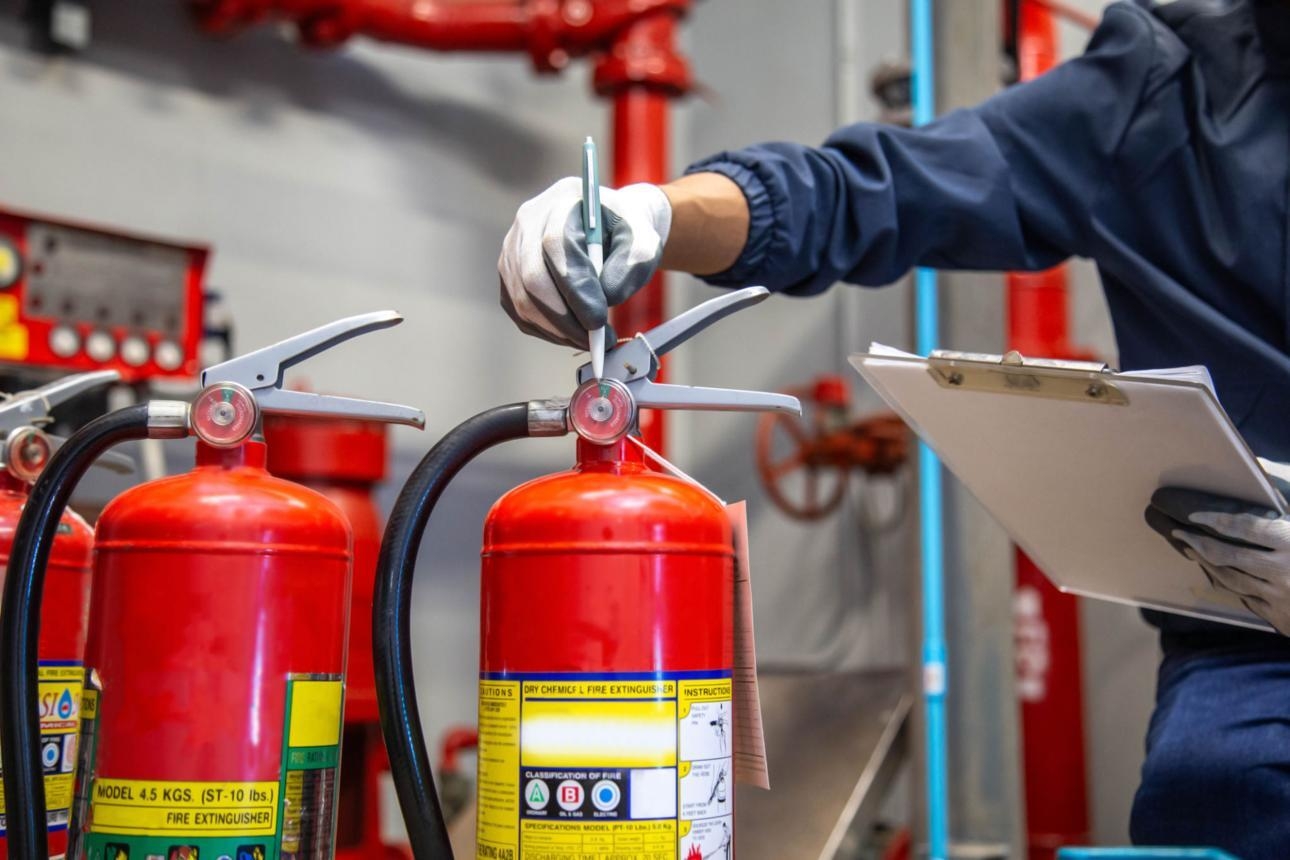
Fire safety is not just a legal obligation—it’s a critical responsibility that protects lives, property, and businesses. In a bustling city like London, where residential, commercial, and industrial spaces coexist closely, fire risk assessments are essential for maintaining safety standards and compliance with the law.
This comprehensive guide explains what a fire risk assessment is, why it matters, and how you can ensure your property meets the required standards.
What is a Fire Risk Assessment?
A Fire Risk Assessment in London is a systematic evaluation of a building to identify potential fire hazards, assess the risk to people, and implement measures to reduce or eliminate those risks. It involves examining the premises, identifying ignition sources, and ensuring proper fire safety systems are in place.
In the UK, fire risk assessments are governed by the Regulatory Reform (Fire Safety) Order 2005, which applies to nearly all non-domestic premises, including offices, shops, warehouses, and rental properties.
Why Fire Risk Assessments Are Important in London?
London is one of the busiest cities in the world, with millions of residents and workers. The dense population, historic buildings, and complex infrastructure increase the risk of fire incidents.
Here’s why fire risk assessments are crucial:
- Legal Compliance: Failure to comply with fire safety laws can result in heavy fines or imprisonment.
- Life Protection: Proper assessment helps safeguard occupants and employees.
- Property Protection: Prevents costly damage to buildings and assets.
- Business Continuity: Reduces downtime caused by fire incidents.
- Insurance Requirements: Many insurers require a valid fire risk assessment.
Who is Responsible for Fire Risk Assessments?
The “responsible person” must ensure a fire risk assessment is conducted. This includes:
- Employers
- Building owners
- Landlords
- Property managers
If you own or manage a property in London, you are legally obligated to carry out and regularly review fire risk assessments.
Key Steps in a Fire Risk Assessment
A professional fire risk assessment typically follows these five steps:
1. Identify Fire Hazards
This includes anything that could start a fire, such as:
- Electrical equipment
- Heating systems
- Flammable materials
2. Identify People at Risk
Consider everyone who uses the building, including:
- Employees
- Visitors
- Vulnerable individuals (elderly, disabled)
3. Evaluate, Remove, or Reduce Risks
Assess how likely a fire is to occur and take measures to minimize risks.
4. Record Findings and Implement Measures
Document all hazards and actions taken. This is mandatory for businesses with five or more employees.
5. Review and Update Regularly
Fire risk assessments should be reviewed periodically or when significant changes occur.
Common Fire Hazards in London Properties
London properties, especially older buildings, often face unique fire risks:
- Outdated electrical wiring
- Poorly maintained fire alarms
- Blocked fire exits
- Lack of fire extinguishers
- Improper storage of flammable materials
Identifying and addressing these hazards is critical to ensuring safety.
Fire Safety Measures You Should Have
After conducting a fire risk assessment, you may need to implement safety measures such as:
- Fire alarm systems
- Emergency lighting
- Fire extinguishers
- Clear evacuation routes
- Fire doors
- Staff training
Regular maintenance of these systems is equally important.
Benefits of Hiring a Professional Fire Risk Assessor
While some small businesses may attempt a DIY assessment, hiring a professional offers several advantages:
- Expert knowledge of fire safety laws
- Thorough and accurate assessments
- Identification of hidden risks
- Proper documentation
- Peace of mind
Professionals ensure your property fully complies with UK regulations.
How Often Should Fire Risk Assessments Be Reviewed?
There is no fixed timeframe, but reviews should be conducted:
- Annually (recommended)
- After structural changes
- When occupancy changes
- After a fire incident
- When new equipment is installed
Regular reviews keep your property safe and compliant.
Fire Risk Assessment Costs in London
The cost varies depending on:
- Property size
- Building complexity
- Type of business
Typical costs range from £100 to £500 for small premises, while larger or more complex buildings may cost more. Investing in fire safety is far cheaper than dealing with fire damage or legal penalties.
Penalties for Non-Compliance
Failure to carry out a fire risk assessment can lead to:
- Fines
- Business closure
- Imprisonment in severe cases
Authorities take fire safety seriously, especially in a major city like London.
Tips to Improve Fire Safety
- Conduct regular inspections
- Train staff in fire safety procedures
- Keep fire exits clear at all times
- Test alarms regularly
- Maintain electrical systems
Simple steps can significantly reduce fire risks.
Fire risk assessments in London are not optional—they are a legal and moral responsibility. Whether you run a business or manage a property, ensuring fire safety protects lives and assets while keeping you compliant with the law.
By understanding risks, implementing safety measures, and regularly reviewing your assessment, you can create a safer environment for everyone.
FAQs
1. Is a fire risk assessment mandatory in London?
Yes, under the Regulatory Reform (Fire Safety) Order 2005, all non-domestic properties must have a fire risk assessment.
2. Can I do a fire risk assessment myself?
Yes, if you are competent. However, hiring a professional is recommended for accuracy and compliance.
3. How long does a fire risk assessment take?
It depends on the size of the property, but most assessments take 1–4 hours.
4. How often should I update my fire risk assessment?
At least once a year or whenever significant changes occur.
5. What happens if I don’t have a fire risk assessment?
You may face fines, legal action, or even imprisonment.
6. Do landlords need fire risk assessments?
Yes, especially for rental properties and HMOs (Houses in Multiple Occupation).
7. What is included in a fire risk assessment report?
It includes identified hazards, risk levels, and recommended safety measures.
8. Are fire extinguishers required by law?
Yes, appropriate firefighting equipment must be provided and maintained.
9. Who enforces fire safety regulations in London?
Local fire authorities enforce fire safety laws and conduct inspections.
10. How much does a fire risk assessment cost?
Costs vary but typically range from £100 to £500 depending on the property.

 English
 Arabic
 French
 Spanish
 Portuguese
 Deutsch
 Turkish
 Dutch
Dutch
 Russian
 Romaian
 Portuguese (Brazil)
 Greek
Greek